Jethro Tull Concerts Setlist
Jethro Tull concerts: setlists, upcoming live shows and concerts, 2026 tour
Upcoming concerts
Live Stats
Popular songs in setlists
Top 10 most played songs by Jethro Tull: Setlist highlights from the Last 40 Concerts.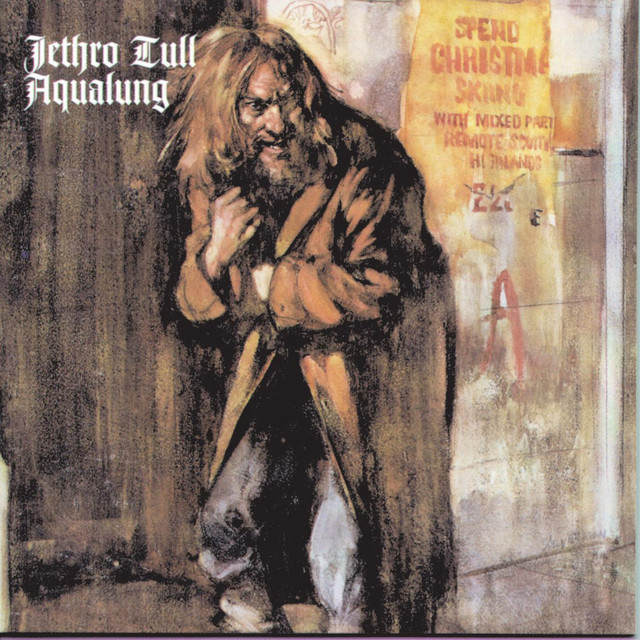



Setlist overview
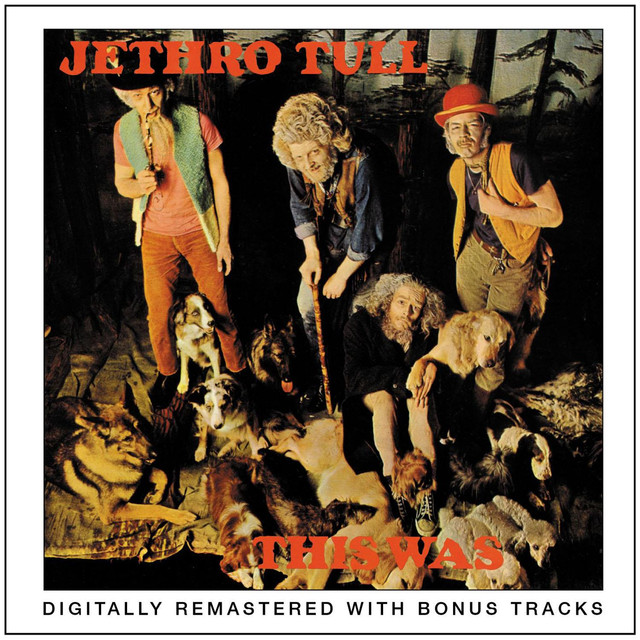
The setlist for the next concert features live songs from the following albums:
Next Setlist
Check out and listen to the setlist of the upcoming Concert (Spotify playlist updated after every tour date):
How long is the concert?
Based on the average Setlist, Jethro Tull will perform live for about 2:07.
Here is the probable setlist inspired by recent concerts (89% probability):
-
 Some Day the Sun Won't Shine for You
-
Beggar's Farm
-
A Song for Jeffrey
-
Thick as a Brick
-
Mother Goose
-
Songs From the Wood
-
The Navigators
-
Fat Man
-
Curious Ruminant
-
Living in the Past
-
Bourrée in E minor
(Johann Sebastian Bach cover)
-
My God
-
The Zealot Gene
-
The Donkey and the Drum
-
Over Jerusalem
-
Budapest
-
Aqualung
-
Locomotive Breath
 Beggar's Farm
 The Navigators
 Fat Man
 Living in the Past
 Bourrée in E minor
Encore #1
 The Zealot Gene
 The Donkey and the Drum
Encore #2
Jethro Tull Tour Map 2026
Follow Jethro Tull on tour with our interactive Tour Map. Explore the places where the concerts will take and find out where you can catch Jethro Tull on tour near you.
27 upcoming concerts, touring across these countries with exciting setlists and live performances:
Austria,
Croatia,
Denmark,
Germany,
Italy,
Netherlands,
Poland,
Spain,
Switzerland,
Turkey,
United Kingdom,
etc.
Jethro Tull Biography
Known for their impact on rock music, Jethro Tull is a rock band formed in 67 in Blackpool, Lancashire. The band started with three friends from a Blackpool grammar school who had no idea they'd change rock music forever. The band has had many different members over the years, with Martin Barre being the longest-serving member besides Anderson. They first got noticed with their 1969 album "Stand Up," which hit number one in the UK, but really became famous with "Aqualung" in 1971.
Jethro Tull stopped recording in the 2000s and split up in 2011, but Anderson brought back the Jethro Tull name in 2017 and started making new albums in the 2020s with different musicians. Anderson and his bassist were so broke they shared cans of soup, and he cleaned cinemas just to make rent. They couldn't even keep gigs in London clubs, so they kept changing their name until a history-buff booking agent dubbed them "Jethro Tull." The funny part? Anderson didn't even know it was a real person's name!
Everything changed when they hit the National Jazz and Blues Festival in '68. After their guitarist left (replaced briefly by future Black Sabbath founder Tony Iommi!), they found Martin Barre and really took off. By '71, they'd created "Aqualung," which sold a million copies in America and became their signature album. The '70s were wild - they dodged taxes in Switzerland, turned down Woodstock (Anderson didn't want to be pigeonholed as a hippie band), and crafted "Thick as a Brick," a single 43-minute song that somehow topped the US charts.
The band went through some changes when bassist John Glascock joined in 75, replacing Jeffrey Hammond. Sadly, Glascock had serious health problems and died in 79, after Dave Pegg had taken over bass duties during touring. In the early 80s, Jethro Tull went through major changes when three members left - drummer Barrie Barlow, keyboardist John Evan, and arranger Dee Palmer. The band then turned to a more electronic sound with their album "A," which was originally meant to be Ian Anderson's solo album.
Through the early 80s, they had several temporary drummers, including Phil Collins for one show, before Doane Perry joined in 84. In the 90s, the band changed again when longtime bassist Dave Pegg left during the recording of "Roots to Branches" in 95. He was replaced by Jonathan Noyce, and the band's music started showing more world music influences. Anderson even had to relearn how to play the flute properly after his daughter, who was taking flute lessons, noticed he was using incorrect fingering.
Fast forward to today, and Anderson's still leading Jethro Tull, releasing new albums like "The Zealot Gene" in 2022 and "RökFlöte" in 2023. From sharing soup cans to selling 60 million albums, from blues clubs to massive arenas, Jethro Tull proved that a flute can rock just as hard as any guitar.





Comments (0)
Your comment
You can share your thoughts on a Jethro Tull concert or setlist.
Comment in English (or use the appropriate site version to comment in another language).